
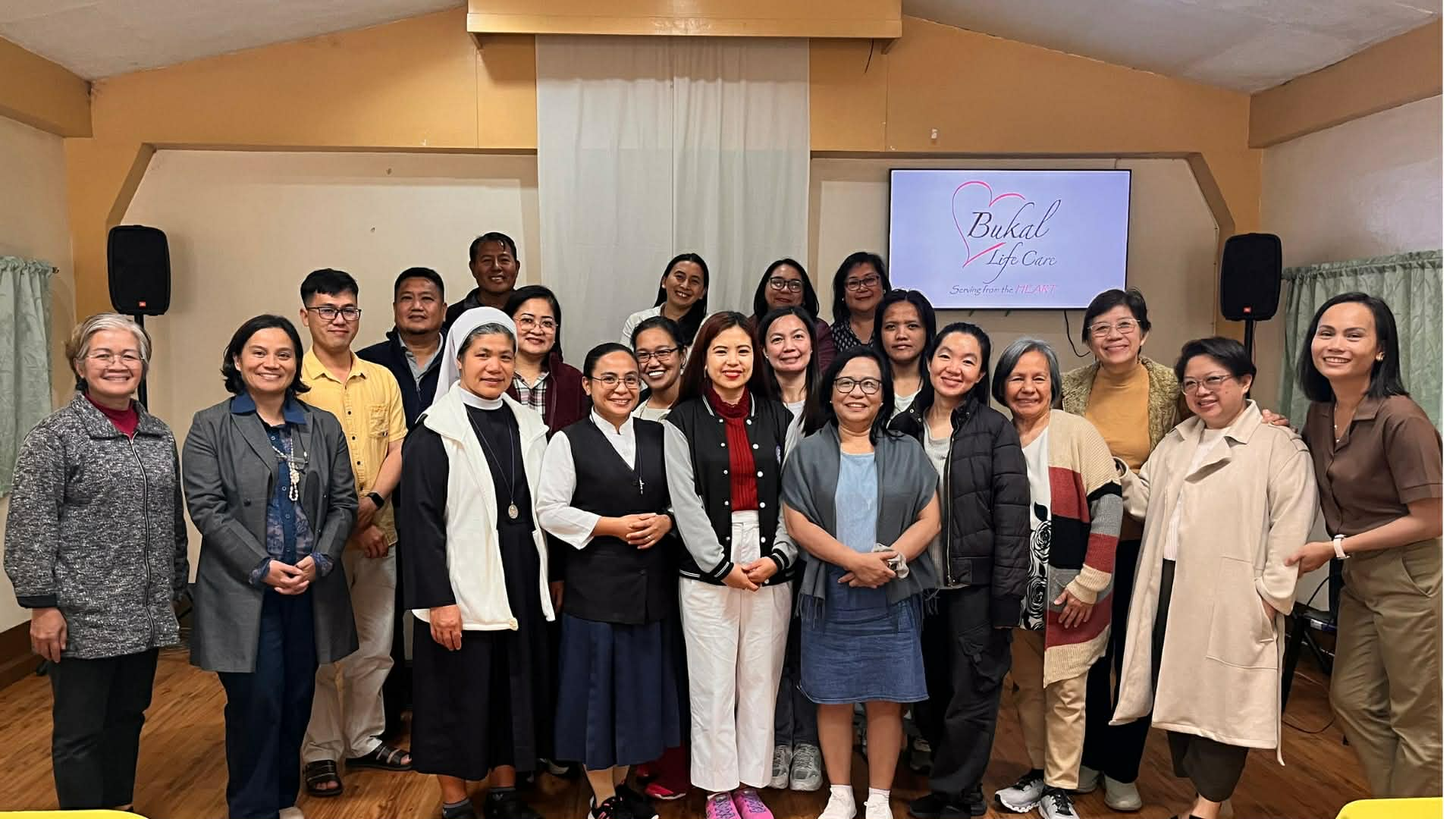
2. Chaplain Ninkarb Seth Joejoe has returned to his country of Ghana after training with us and is now establishing a training center for CPE. His video presenting the program is available by clicking below.
https://www.facebook.com/reel/1562790658335942
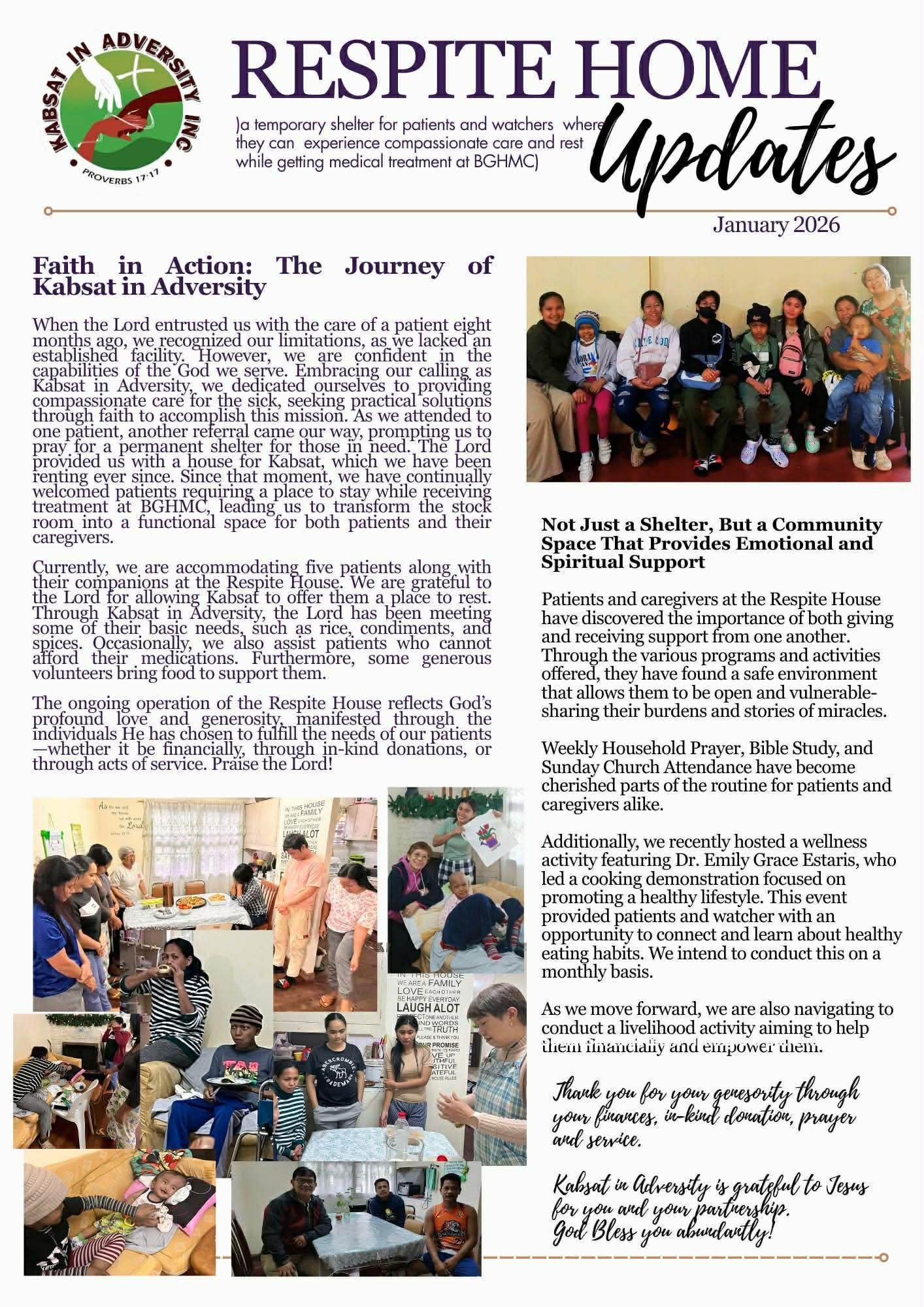
3. Below is a report on the Respite House— a ministry of Kabsat, that we are also assisting.
4. Article by SIT Chaplain Bing Maximo
𝓣𝓱𝓲𝓼 𝓲𝓼 𝓟𝓼𝔂𝓬𝓱𝓸𝓵𝓸𝓰𝔂
ʜᴏʟᴅɪɴɢ ꜱᴜꜰꜰᴇʀɪɴɢ: ᴡʜᴇʀᴇ ᴘꜱʏᴄʜᴏʟᴏɢʏ ᴀɴᴅ ᴛʜᴇᴏʟᴏɢʏ ᴍᴇᴇᴛ ɪɴ ᴘᴀꜱᴛᴏʀᴀʟ ᴄᴀʀᴇ | 𝘑𝘢𝘯𝘶𝘢𝘳𝘺 2026 𝘝𝘰𝘭 𝘐. 𝘈𝘳𝘵𝘪𝘤𝘭𝘦 𝘐𝘐𝘐
— Sally I. Maximo, PhD, RPsy, RGC
Clinical Psychologist
Board Certified Clinical Chaplain (Faculty)
As a clinical chaplain, I have become a witness to the beautiful weaving of Psychology with Theology in the care of persons who suffer. Through my experience as a lay chaplain and clinician engaged in pastoral visits and psychotherapy, I have learned that before meaning and faith can be fully grasped, suffering must first be felt, held, and listened to with careful attentiveness. Presence, rather than fixing, often becomes the first act of care.
The theory and practice of psychology have deepened my appreciation of the human person as an integrated whole—thoughts, emotions, behaviors, and the body—each joined into personal and sacred stories. I understand suffering as a shared human condition, and that healing often begins not in answers, but in the telling of one’s story and in being received without judgment. In such spaces, difficult emotions are named and processed, and individuals slowly reconnect with their deepest selves.
Rather than competing with theology, psychology creates the inner conditions through which theological meaning can be received. It prepares the ground where God’s mystery, grace, and Presence can be encountered, rather than imposed. As I listen to fellow human beings share their grief, fear, disappointment and confusion, I am repeatedly humbled. I am often moved by moments when, even amid suffering, God’s work becomes visible—in small acts of kindness, unexpected provisions, or quiet moments of grace that gently ease distress.
These encounters continually remind me that healing is not something I bestow, but something I witness. Psychology has equipped me with the competencies of listening and clinical discernment. On the other hand, theology continually re-orients me to humility, reminding me that I am merely a vessel of God’s Presence in the sacred work of accompaniment. I now recognize that whatever knowledge and skill I carry from psychology is itself a gift from God, entrusted to me not for expertise alone, but for service. In this integration with theology, psychology has become for me not simply a profession, but a vocation—received with gratitude, offered in humility, and lived in the SLU-CICM missionary spirit.
—
Article by Sally Maximo |
Post made by SLU Psychology Department Social Media Committee (Herald Semsem, Elbert Templo, Joevelle Marcos and Asher Bayot)
 CPSP-Philippines